Austria's Provincial Licensing Variations adn Their Effects on Slot Game Availability for Local Players
Felix Vogel · Oct 25, 2026
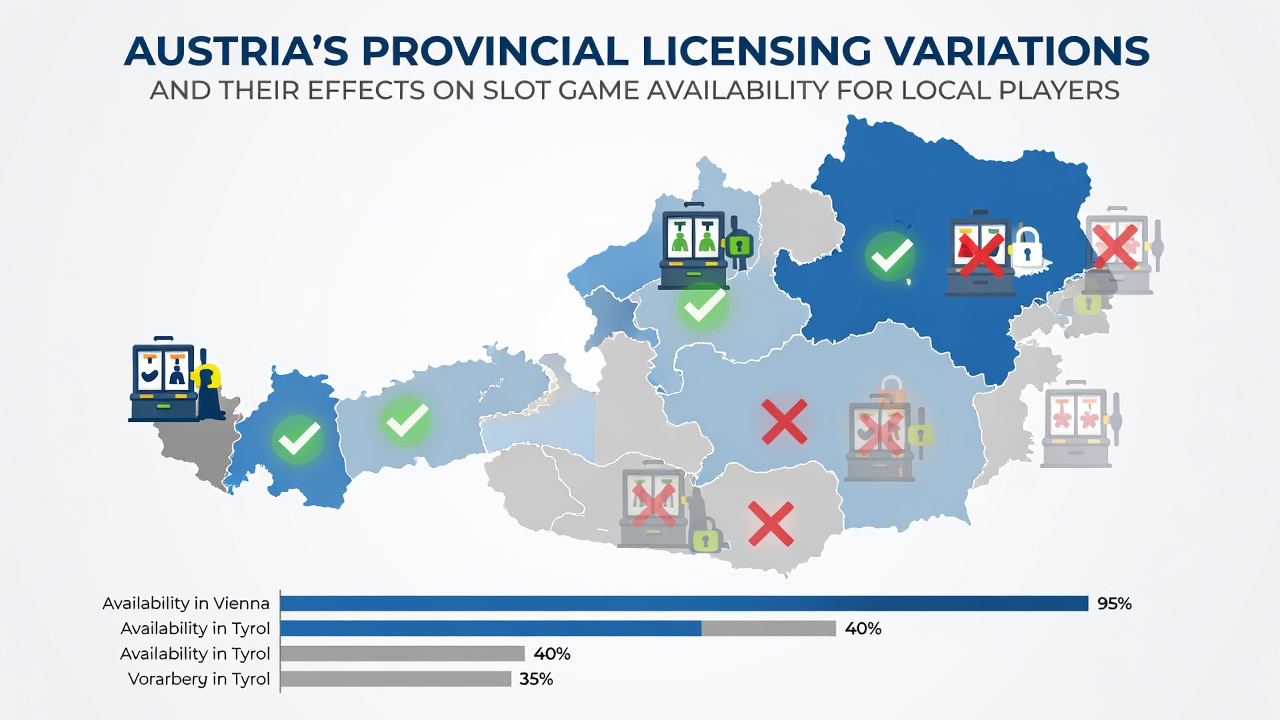
Austria's Provincial Licensing Variations adn Their Effects on Slot Game Availability for Local Players
Austria operates under a dual structure where federal oversight intersects with provincial authority, and this setup creates distinct licensing paths that directly shape which slot games reach local players in each region. Different provinces maintain separate approval processes for operators, and these variations determine the range of titles available through both land-based venues and digital platforms accessible within those borders.
Provincial Frameworks Shape Slot Distribution
Each of Austria's nine provinces applies its own criteria when granting licenses for slot operations, and this leads to measurable differences in game catalogs from one area to the next. Lower Austria and Styria, for instance, require additional technical reviews for random number generators beyond the federal baseline, while Vienna focuses more on integration with existing casino infrastructure. Observers note that these layered requirements slow the rollout of new titles in some provinces compared with others, and data from regulatory filings shows that operators often prioritize releases in provinces with streamlined approval timelines.
Burgenland and Carinthia have adopted rules that tie slot availability to local tax contributions, which in turn influences the number of certified games operators choose to offer. Research indicates that provinces enforcing higher compliance fees see fewer independent developers submitting titles for review, and this narrows options for players who prefer niche or high-volatility slots. In contrast, Upper Austria's approach emphasizes compatibility testing with existing payment systems, and this has allowed a broader selection of games to appear on licensed platforms serving that region.
Impact on Digital Access for Residents
Players in different provinces encounter varying catalogs when accessing online slots through regulated channels, and these differences stem directly from the licensing conditions each province imposes on operators. Salzburg and Tyrol maintain stricter age-verification protocols tied to slot licensing, and this affects how quickly new games can launch on mobile interfaces used by local residents. Figures from industry submissions reveal that operators serving multiple provinces often maintain separate game libraries to comply with each set of rules, which fragments availability even for users within the same country.
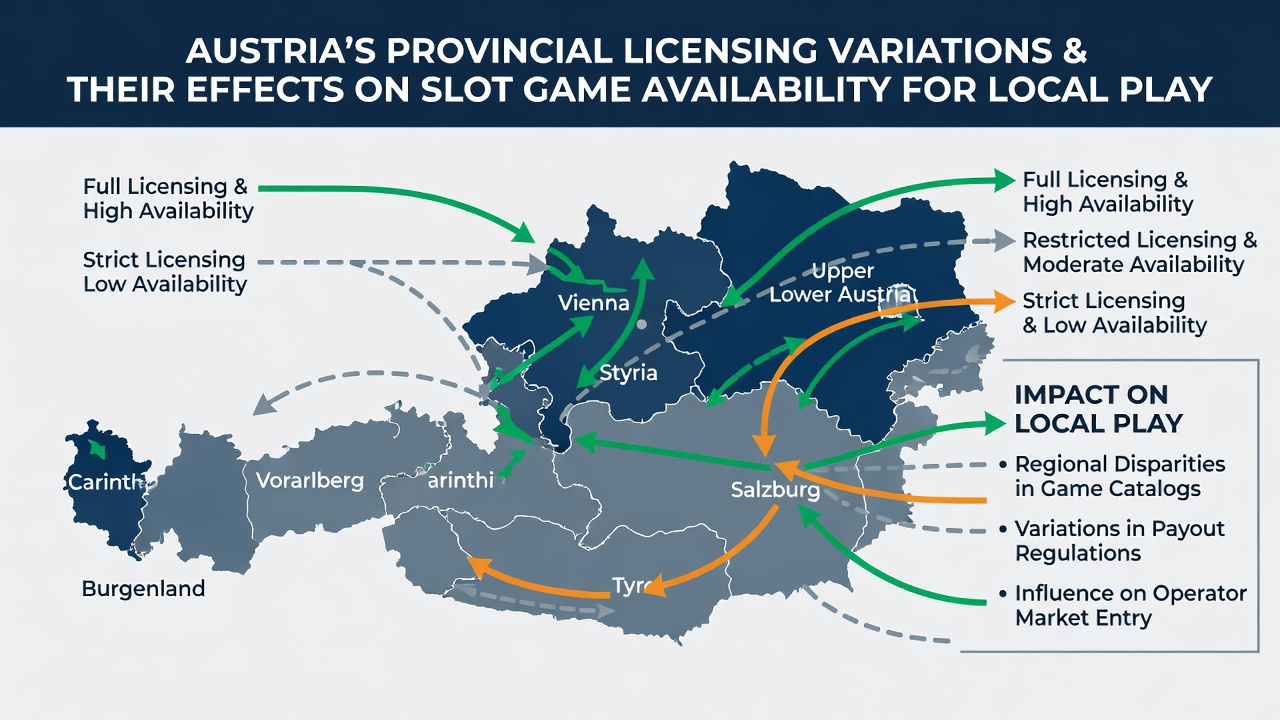
October 2026 brought updated reporting requirements in Vorarlberg and Lower Austria that require operators to disclose game performance metrics quarterly, adn these changes have prompted some providers to adjust their submissions accordingly. Those adjustments include withdrawing certain older titles that no longer meet updated fairness thresholds, while newer releases undergo faster review in provinces that align their standards more closely with federal guidelines. Data collected through these reports shows shifts in popular game categories, with players in provinces that allow quicker certification gaining access to progressive jackpot slots ahead of residents elsewhere.
Operator Strategies and Player Reach
Companies holding licenses across multiple provinces adapt their portfolios to satisfy the most restrictive conditions first, and this strategy determines which slots ultimately appear for players in less demanding regions. Evidence from licensing databases indicates that titles certified in Vienna frequently receive faster provincial approval in neighboring areas, whereas games approved first in western provinces encounter additional scrutiny when seeking eastern expansion. This pattern creates staggered release schedules that players notice when comparing offerings across provincial borders.
Studies conducted by European research institutions highlight how these variations influence overall market concentration, with larger operators maintaining an advantage because they can absorb the costs of repeated testing. Smaller studios, by comparison, focus submissions on provinces that offer reciprocal recognition agreements, and this limits the diversity of games reaching certain local markets. According to analyses published by the Canadian Centre on Substance Use and Addiction, similar provincial differences in other jurisdictions produce comparable effects on game availability and player choice.
Local players therefore experience availability that depends on their province of residence rather than on national standards alone, and this geographic factor shapes both land-based and online slot experiences. Regulatory updates scheduled for late 2026 in several provinces aim to reduce these discrepancies through shared certification databases, yet current records show ongoing differences in approved game counts across regions.
Conclusion
Provincial licensing variations continue to define the boundaries of slot game access for Austrian residents, and the resulting differences appear consistently in regulatory data and operator filings. These structural distinctions affect release timing, title selection, and platform features in measurable ways, while ongoing adjustments in October 2026 and beyond may gradually align some processes across provinces. The current landscape reflects a balance between local control and federal coordination that directly determines what residents can play in each area.