Charting Biometric Verification Trends Across Austria's Licensed Interactive Entertainment Platforms
Nils Schmitt · Sep 13, 2026
Charting Biometric Verification Trends Across Austria's Licensed Interactive Entertainment Platforms
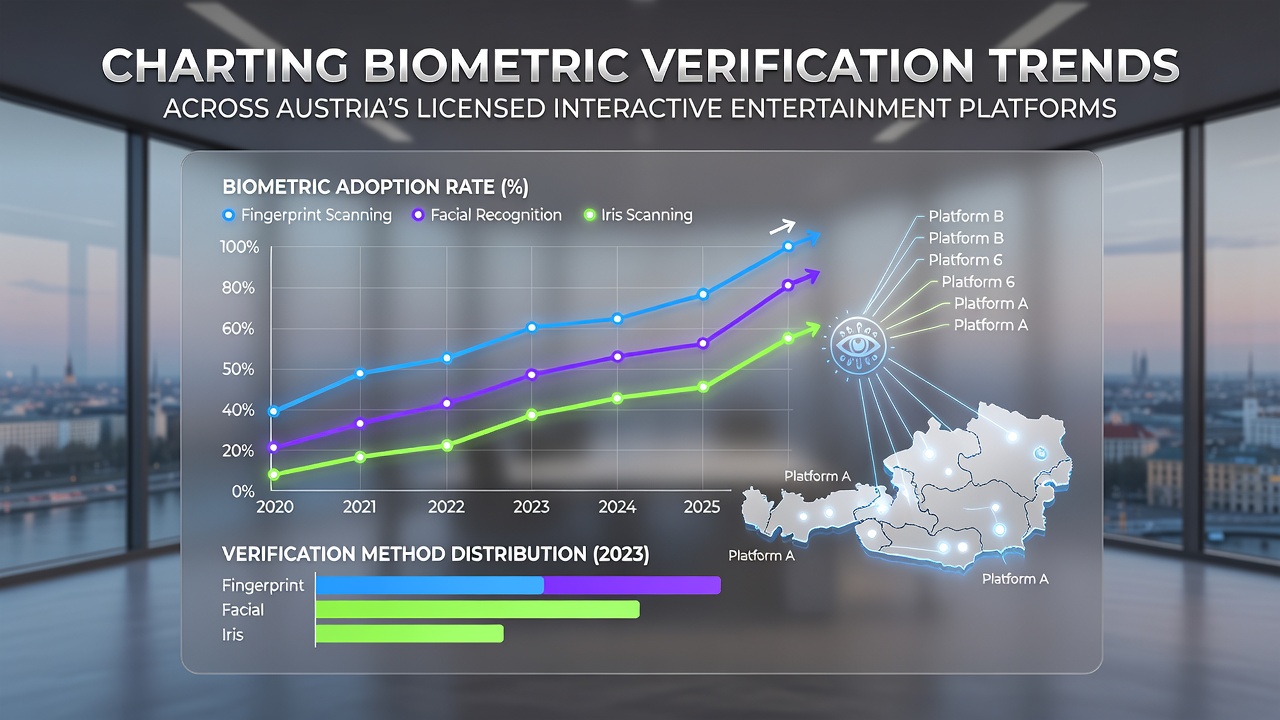
Biometric verification systems have expanded across Austria's licensed interactive entertainment platforms as operators integrate fingerprint scanning, facial recognition, and voice authentication to meet regulatory requirements for user identification. Data from the Austrian Federal Ministry of Finance indicates that adoption rates for these technologies rose steadily between 2023 and 2025, with platforms processing millions of verification attempts annually to comply with the Glücksspielgesetz framework.
Regulatory Framework Driving Adoption
Austria's licensing authorities require operators to implement robust identity checks, and biometric methods have emerged as efficient tools that reduce reliance on traditional document uploads while maintaining compliance standards. According to reports from the European Data Protection Board, biometric data processing in gaming contexts must align with GDPR provisions, which has prompted platforms to adopt privacy-preserving techniques such as on-device processing and encrypted templates. Those who've examined the sector note that this balance between security and data protection has shaped how verification workflows operate in practice.
By September 2026, updates to national guidelines are expected to emphasize real-time biometric matching for high-risk transactions, building on existing rules that already mandate multi-factor authentication for account access. Researchers at institutions tracking EU-wide gaming regulations have documented similar shifts in neighboring markets, where biometric integration has correlated with lower rates of account sharing and unauthorized access.
Key Technologies in Use
Platforms licensed under Austrian oversight have deployed several biometric modalities, each suited to different user scenarios. Fingerprint sensors integrated into mobile apps allow quick logins, whereas facial recognition handles remote verification during initial registration and periodic re-checks. Voice biometrics appear in customer support interactions, confirming user identity during live chats or calls without requiring additional hardware.
- Facial recognition systems achieve accuracy rates above 99 percent in controlled testing environments, according to industry benchmarks shared by equipment suppliers.
- Fingerprint matching processes complete in under two seconds on most modern devices, supporting seamless session continuity.
- Voice authentication layers add an extra check for transactions exceeding defined thresholds, reducing false positives through adaptive algorithms.
One study from a German research consortium revealed that Austrian operators combining two or more biometric methods experienced fewer verification failures compared with single-modality setups, largely because fallback options accommodate variations in lighting, device quality, or user conditions.
Implementation Patterns Across Platforms
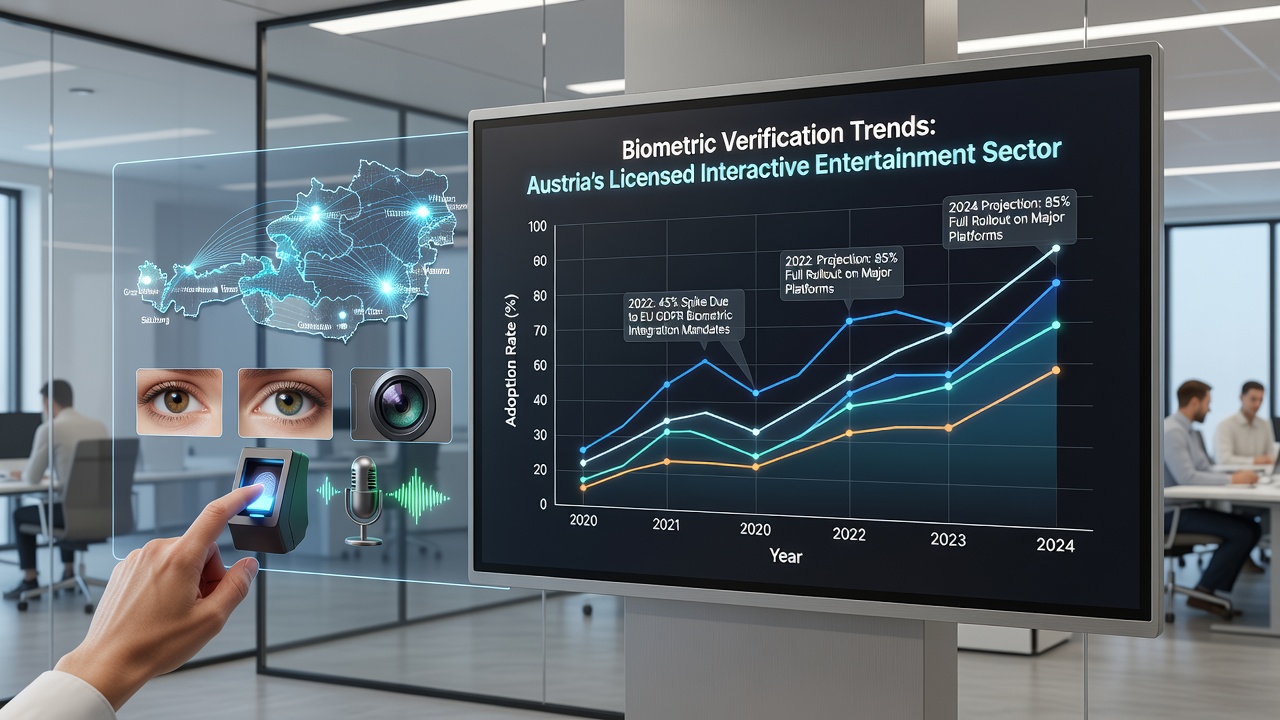
Licensed operators have rolled out biometric features in phases, beginning with high-volume desktop and mobile users before extending to tablet and kiosk environments. Data compiled by European gaming associations shows that platforms handling sports wagering adopted these tools earlier than those focused on table games, reflecting differences in transaction frequency and risk profiles. What's interesting is how smaller operators have leveraged cloud-based biometric services to avoid heavy infrastructure costs, allowing them to match the capabilities of larger competitors.
Integration with existing payment gateways has also advanced, enabling biometric confirmation for deposits and withdrawals above certain limits. Figures released by payment processors active in the Austrian market reveal that such combined verification steps have shortened average transaction times while preserving audit trails required by regulators.
Challenges and Technical Adjustments
Despite the advantages, biometric systems encounter occasional hurdles related to demographic variations and device compatibility. Operators address these through continuous algorithm training on diverse datasets and regular hardware compatibility updates. Observers note that September 2026 testing cycles will likely incorporate new standards for accessibility, ensuring that verification processes remain usable for individuals with physical or sensory differences.
Security teams monitor for spoofing attempts using liveness detection layers that analyze micro-movements and thermal patterns. Reports from academic sources in Canada highlight how these countermeasures have improved across the sector, with Austrian platforms incorporating similar techniques to stay ahead of evolving threats.
Conclusion
Biometric verification continues to evolve within Austria's licensed interactive entertainment sector, driven by regulatory expectations, technological improvements, and operational efficiencies. As platforms prepare for the September 2026 guideline updates, the focus remains on maintaining accurate, privacy-compliant systems that support secure user experiences across all licensed offerings. The patterns observed so far suggest ongoing refinement rather than wholesale replacement of current approaches.