Decoding Payment Verification Processes for Austrian Users Exploring Regulated Sports Wagering Options
Felix Vogel · Aug 23, 2026
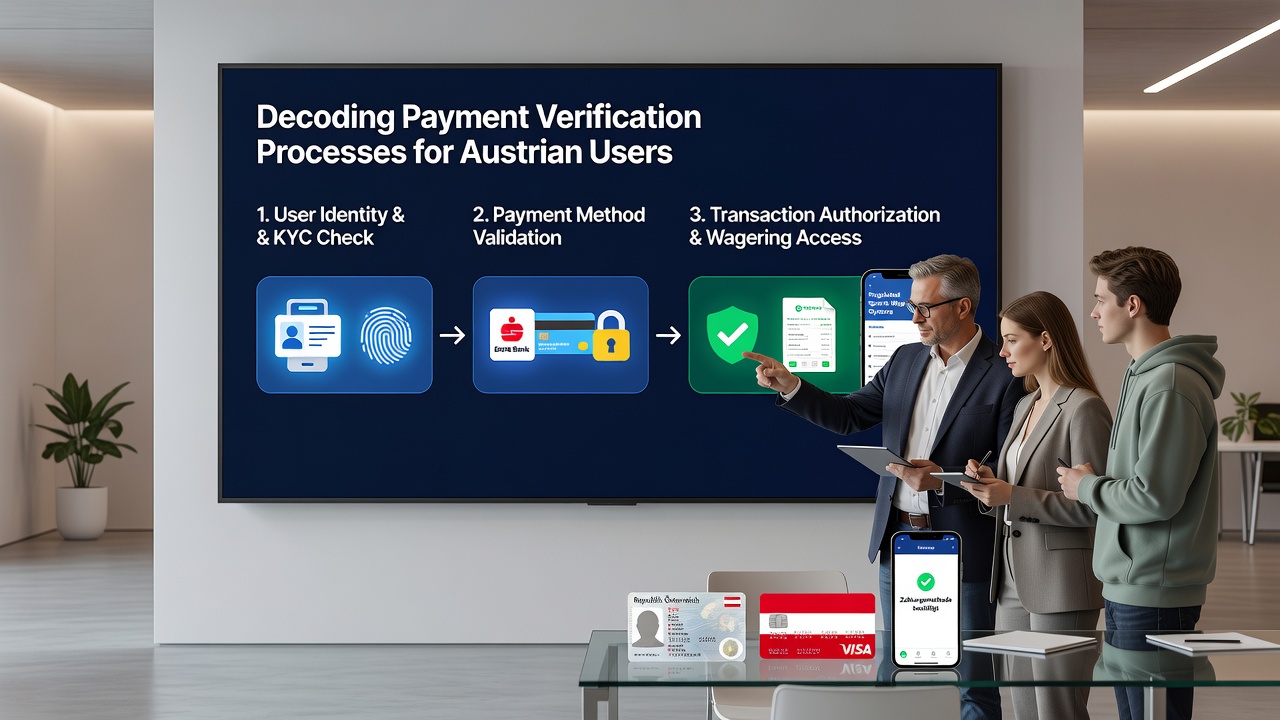
Decoding Payment Verification Processes for Austrian Users Exploring Regulated Sports Wagering Options
Regulatory Context for Austrian Sports Wagering
Austrian law governs sports wagering through the Glücksspielgesetz and related statutes administered by federal authorities, where licensed operators must implement strict payment verification to comply with anti-money laundering rules and consumer protection measures. Data from regulatory filings show that verification occurs before deposits and withdrawals can process, and this framework applies to platforms holding Austrian concessions rather than offshore alternatives. Observers note that the system integrates EU directives on payment services with national requirements, which creates a layered process that users encounter when opening accounts or moving funds.
Core Steps in Identity and Payment Checks
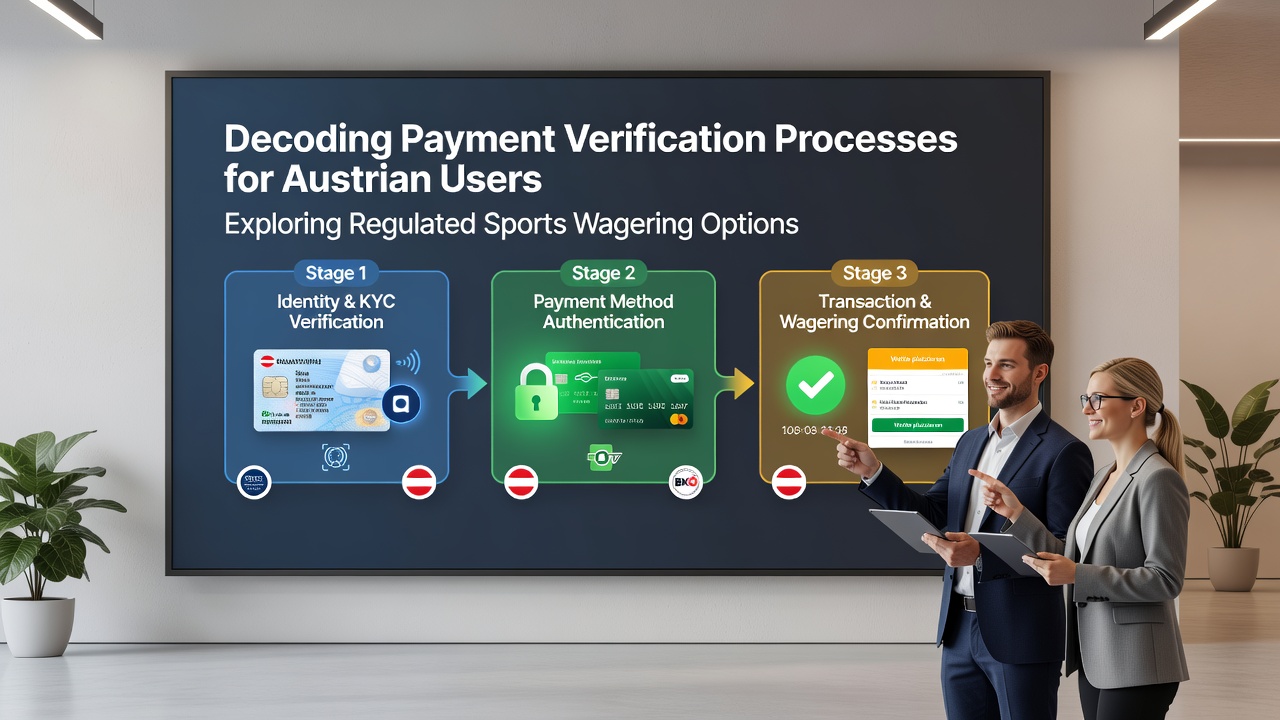
Verification begins with document submission, where users provide government-issued identification, proof of address, and sometimes tax identification numbers, all cross-checked against official databases. Payment method confirmation follows, often requiring a small test transaction or linkage to a verified bank account that matches the account holder's details exactly. Research indicates these steps reduce fraud incidents significantly, and operators must retain records for a minimum period set by Austrian financial oversight bodies. Those exploring regulated options frequently encounter automated screening tools that flag mismatches in name, address, or payment source before any funds transfer completes.
Bank Transfers and Digital Wallets in Practice
SEPA transfers remain the dominant method for Austrian users because they align with local banking infrastructure, while e-wallets undergo additional scrutiny to confirm the source account belongs to the same individual. Figures reveal that processing times vary from immediate for verified cards to several business days for new bank accounts, and this timeline reflects mandatory manual reviews when automated systems detect anomalies. One case study from industry reports highlights how a mismatch in billing address triggered extended verification that delayed a withdrawal by five days, underscoring the importance of consistent documentation across all submitted materials.
AML Requirements and Threshold Triggers
Anti-money laundering protocols activate at specific deposit or withdrawal thresholds, prompting enhanced due diligence that may include source-of-funds declarations or additional identification rounds. Austrian operators coordinate with financial intelligence units when patterns suggest unusual activity, and this cooperation follows protocols outlined in national legislation. What's interesting is how these thresholds interact with everyday wagering patterns, where frequent smaller transactions can accumulate toward review triggers just as readily as single large movements. External oversight from bodies such as the Austrian Federal Ministry of Finance ensures operators maintain consistent application of these rules across platforms.
Technical Tools and Data Matching
Operators deploy automated systems that cross-reference user data with credit bureaus, address registries, and banking records in real time, while manual teams handle edge cases that algorithms cannot resolve. Studies from European gaming associations indicate that biometric options, including facial recognition tied to ID uploads, appear in some platforms as supplementary measures rather than core requirements. Those who've examined these systems observe that integration with payment service providers allows faster verification for recurring users who maintain consistent profiles across sessions. Yet mismatches in data formatting, such as umlauts in names or differing address abbreviations, still generate manual review queues that extend processing times.
Regional Comparisons and Emerging Standards
Comparisons with systems in other jurisdictions, including frameworks overseen by the Australian Transaction Reports and Analysis Centre, illustrate how Austria's approach emphasizes upfront verification before any wagering activity begins. Data shows that this front-loaded model contrasts with post-transaction monitoring used elsewhere, and it aligns with Austria's consumer protection priorities. A research paper from a Canadian academic institution on cross-border payment compliance further notes that shared technical standards could streamline future verification for users active in multiple regulated markets. As updates to digital identity systems advance, observers track potential adjustments around August 2026 that might incorporate expanded eIDAS protocols into gambling oversight.
Conclusion
Payment verification for Austrian users in regulated sports wagering rests on coordinated checks that combine identity confirmation, payment source validation, and ongoing monitoring to meet legal obligations. These processes rely on both automated matching and human review, with thresholds and documentation standards shaped by national and EU rules. Operators continue to refine technical integrations to reduce friction while preserving compliance integrity, and users benefit from understanding the sequence of required steps before engaging with licensed platforms.