Exploring Bonus Wagering Mechanics Under Austrian Consumer Protection Standards
Felix Vogel · Aug 19, 2026
Exploring Bonus Wagering Mechanics Under Austrian Consumer Protection Standards
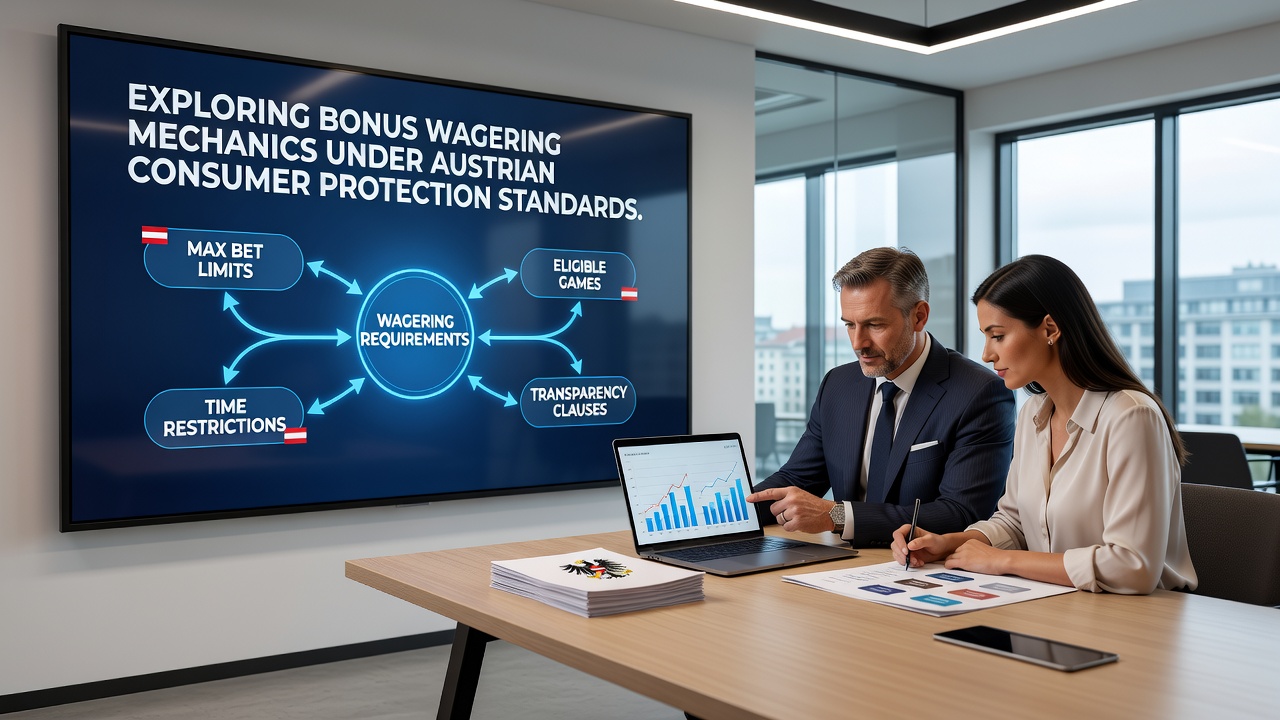
Bonus wagering mechanics in online gambling operate under strict rules set by Austrian consumer protection laws, and these standards require operators to disclose terms clearly while limiting how players must meet playthrough conditions before withdrawing winnings. Austrian regulations emphasize transparency so that users understand rollover multiples, eligible games, and time limits without facing hidden restrictions that could mislead participants.
Core Elements of Wagering Requirements in Austria
Operators must specify wagering requirements in accessible language, which typically means defining how many times a bonus amount must be played through on approved games before funds convert to cash, and data from regulatory reviews show that common multiples range between 20x and 40x depending on the bonus type. These figures come from compliance checks conducted by Austrian authorities, and they align with broader EU directives on unfair commercial practices that prevent exaggerated claims about bonus accessibility.
Eligible game contributions also receive detailed scrutiny, whereas slots might count 100 percent toward the requirement but table games such as blackjack or roulette often contribute only 10 to 20 percent, and this distinction protects consumers by ensuring realistic progress tracking. Timeframes for completing wagers usually span 30 days, after which unused bonuses and associated winnings expire, yet operators must notify users in advance of these deadlines to avoid disputes.
Legal Framework and Recent Developments
Austrian law integrates consumer safeguards through the Gambling Act and civil code provisions on contract fairness, which mandate that terms remain proportionate and non-discriminatory. In August 2026 updates to digital service guidelines took effect, requiring platforms to provide interactive calculators that display real-time wagering progress, and this change stemmed from joint efforts by the Austrian Ministry of Justice and consumer advocacy groups to reduce complaints about unclear bonus conditions.
Research from the European Consumer Centre network indicates that standardized disclosure formats lower misunderstanding rates by approximately 35 percent across member states, and Austria applies similar benchmarks to ensure bonus promotions do not overstate potential returns. Maximum bet limits during wagering periods often cap at 5 euros per spin or hand, which prevents rapid depletion of funds and supports responsible play monitoring.

Enforcement Mechanisms and Player Protections
Supervisory bodies conduct regular audits of bonus terms, and violations trigger fines or mandatory revisions, while players retain rights to lodge complaints through established channels such as the Austrian Federal Competition Authority. One documented case involved an operator revising its 50x wagering rule after review found insufficient game weighting transparency, and the adjustment aligned the offering with statutory clarity standards.
Self-exclusion tools and deposit limits integrate directly with bonus systems, so that active restrictions automatically pause wagering calculations, and this linkage reflects data from industry reports showing improved adherence when protections operate in tandem. Observers note that these integrated features help maintain compliance across platforms operating within Austrian jurisdiction.
Comparative Insights from Broader European Standards
Although Austria maintains its own enforcement priorities, alignment with EU consumer protection frameworks ensures consistency on issues like bonus expiration notices and contribution percentages. Reports from the OECD on digital market fairness highlight that countries with explicit wagering calculators experience fewer regulatory interventions, and Austrian implementations follow this pattern through mandatory user interface updates scheduled for late 2026.
Industry associations such as the European Gaming and Betting Association publish annual compliance overviews, and these documents reveal that Austrian operators achieve high marks for term accessibility compared with regional averages. Such benchmarks support ongoing refinements without introducing new burdens on legitimate promotional activities.
Conclusion
Bonus wagering mechanics under Austrian consumer protection standards continue to evolve through targeted regulatory updates and technological tools that promote transparency. Data from enforcement records and European-wide studies confirm that clear disclosure combined with progress tracking reduces potential conflicts between operators and users. As guidelines from August 2026 become fully operational, platforms maintain focus on verifiable compliance to sustain trust in the regulated market.