How Austrian Licensing Bodies Influence Mobile App Security Standards for Table Game Players
Leon Reed · Aug 26, 2026
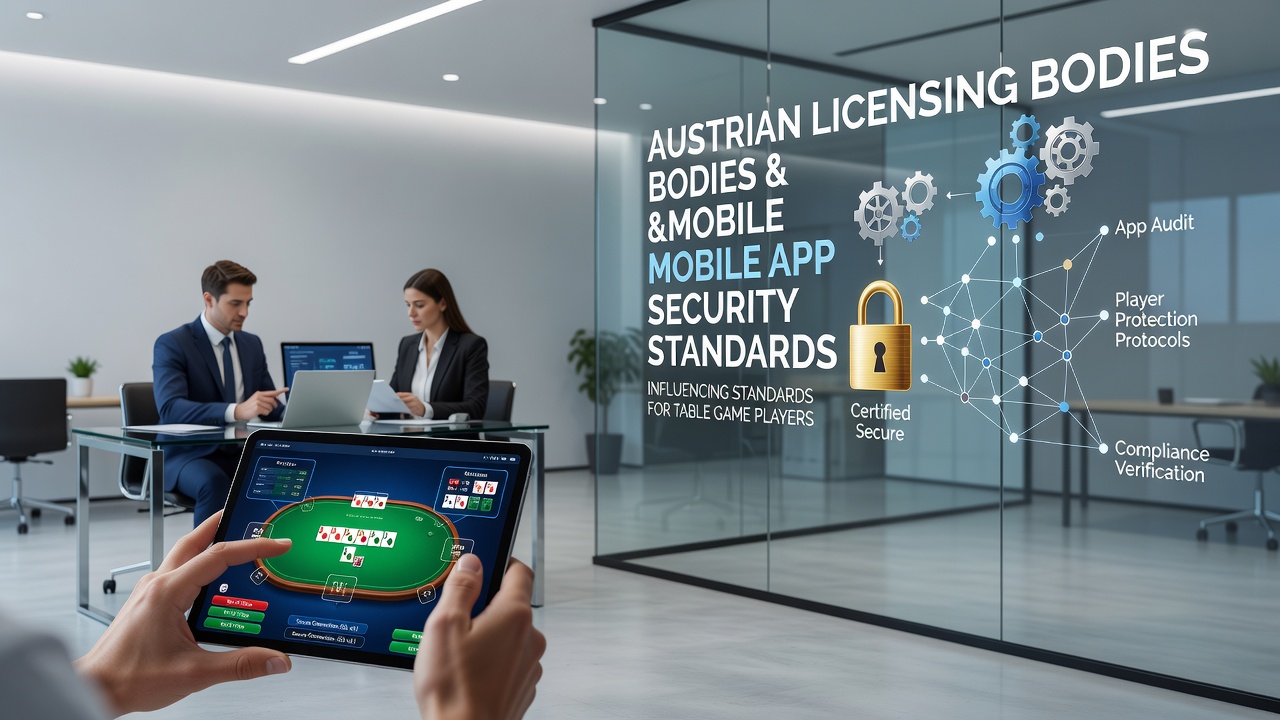
How Austrian Licensing Bodies Influence Mobile App Security Standards for Table Game Players
Austrian licensing bodies establish security requirements that mobile app developers must meet before offering table game options such as blackjack and roulette to users within the country, and these standards shape encryption protocols along with authentication processes that protect player data during live sessions. The primary authority operates under the Austrian Gaming Act which outlines licensing criteria that include technical audits of mobile platforms before any game goes live. Data from regulatory filings indicate that operators submit detailed security documentation covering server-side protections and client-side app features, while ongoing compliance checks occur at regular intervals to verify continued adherence.
Regulatory Framework Governing Mobile Table Game Apps
Licensing procedures require applicants to demonstrate that their mobile applications incorporate end-to-end encryption standards aligned with national data protection rules, and those who meet these benchmarks receive authorization to distribute games through approved channels. Observers note that the process involves third-party testing laboratories which evaluate random number generators and transaction security modules before issuing clearance. In August 2026 updates to the technical guidelines are scheduled to take effect, requiring enhanced biometric authentication options for users accessing table game interfaces on mobile devices. This timeline aligns with broader European efforts to harmonize digital gambling safeguards across member states.
Key Security Mandates for App Developers
Developers must integrate secure socket layer protocols and maintain audit logs that record every transaction and game outcome, which licensing bodies review during both initial approval and subsequent renewal cycles. Research from the Austrian Institute for Technology indicates that apps passing these evaluations show reduced vulnerability to unauthorized access attempts compared with non-licensed alternatives. Those who study compliance reports find that table game applications face additional scrutiny because they involve real-time player interactions and financial transfers that demand robust session management. External testing requirements cover areas such as input validation and protection against man-in-the-middle attacks, ensuring that player information remains isolated from external networks.
Impact on Table Game Security Features
Mobile apps licensed under Austrian rules commonly include features such as two-factor authentication and automatic session timeouts, which reduce exposure windows during extended play periods. Figures from industry compliance summaries reveal that operators who implement these measures report fewer incidents of account compromise across their user bases. The licensing framework also encourages adoption of secure payment gateways that separate financial data from game servers, thereby limiting the scope of potential breaches. Experts have observed that these requirements push developers toward continuous monitoring systems capable of detecting anomalous behavior patterns in real time.
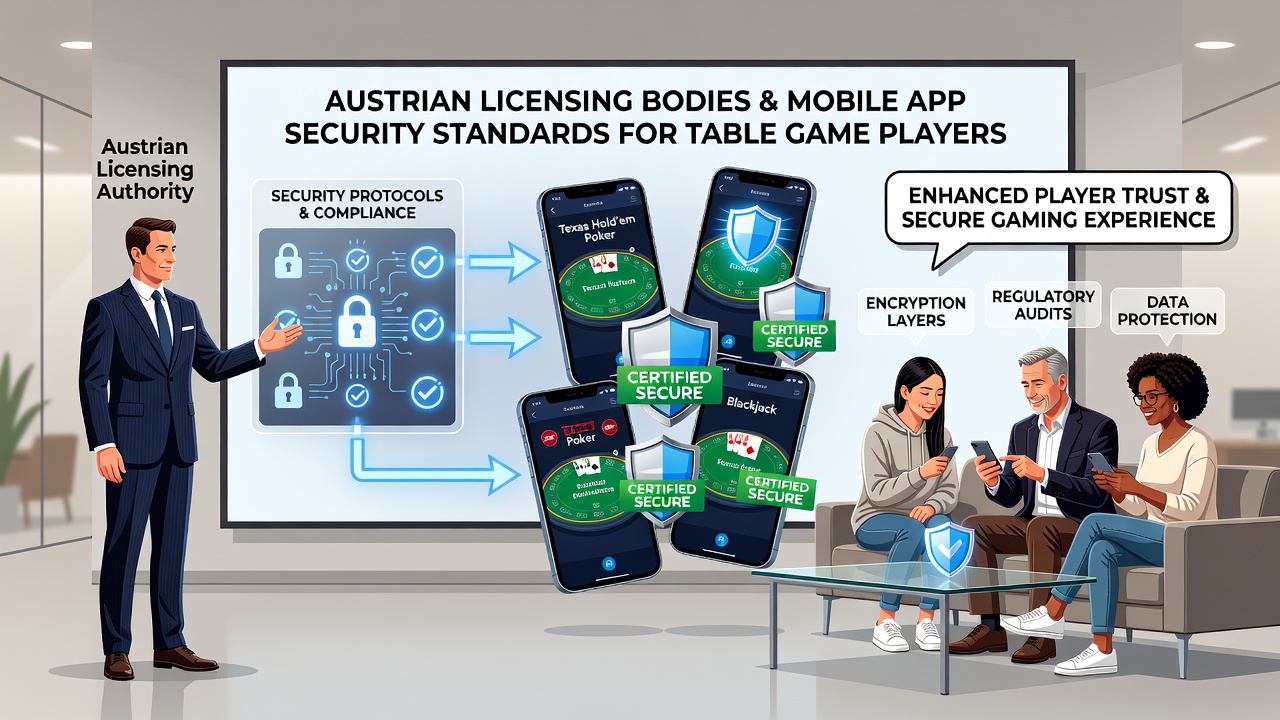
One study conducted by researchers at the University of Vienna examined how licensed table game applications handle player verification and found that integrated identity checks performed at login stages contribute to higher overall platform integrity. Data shows that such protocols align with requirements set by the Austrian licensing bodies, which periodically revise standards in response to emerging threat vectors identified through incident reporting systems. Those who track regulatory changes note that updates often incorporate feedback from both operators and independent security auditors.
International Comparisons and Collaborative Standards
Austrian approaches share certain technical benchmarks with frameworks used in other jurisdictions, such as those outlined in reports from the Canadian Gaming Association which emphasize similar encryption and access control measures. At the same time the European Commission has published guidance documents that encourage cross-border recognition of security certifications for mobile gambling applications. Observers note that these alignments allow Austrian-licensed apps to maintain compatibility with international standards while satisfying local licensing criteria. Industry reports indicate that operators frequently reference both national and supranational guidelines when designing security architectures for table game platforms.
Conclusion
Austrian licensing bodies shape mobile app security standards for table game players through structured approval processes, mandatory technical audits, and scheduled guideline revisions that take effect in August 2026. These mechanisms ensure that encryption, authentication, and monitoring features meet defined benchmarks before and during operation. Compliance data and independent research confirm that licensed applications demonstrate measurable improvements in protecting user information and transaction integrity. The framework continues to evolve in coordination with European and international partners, maintaining focus on verifiable security outcomes for table game participants.