Mapping the Evolution of Fairness Algorithms in Austria's Regulated Digital Gaming Systems
Nils Carter · Aug 30, 2026
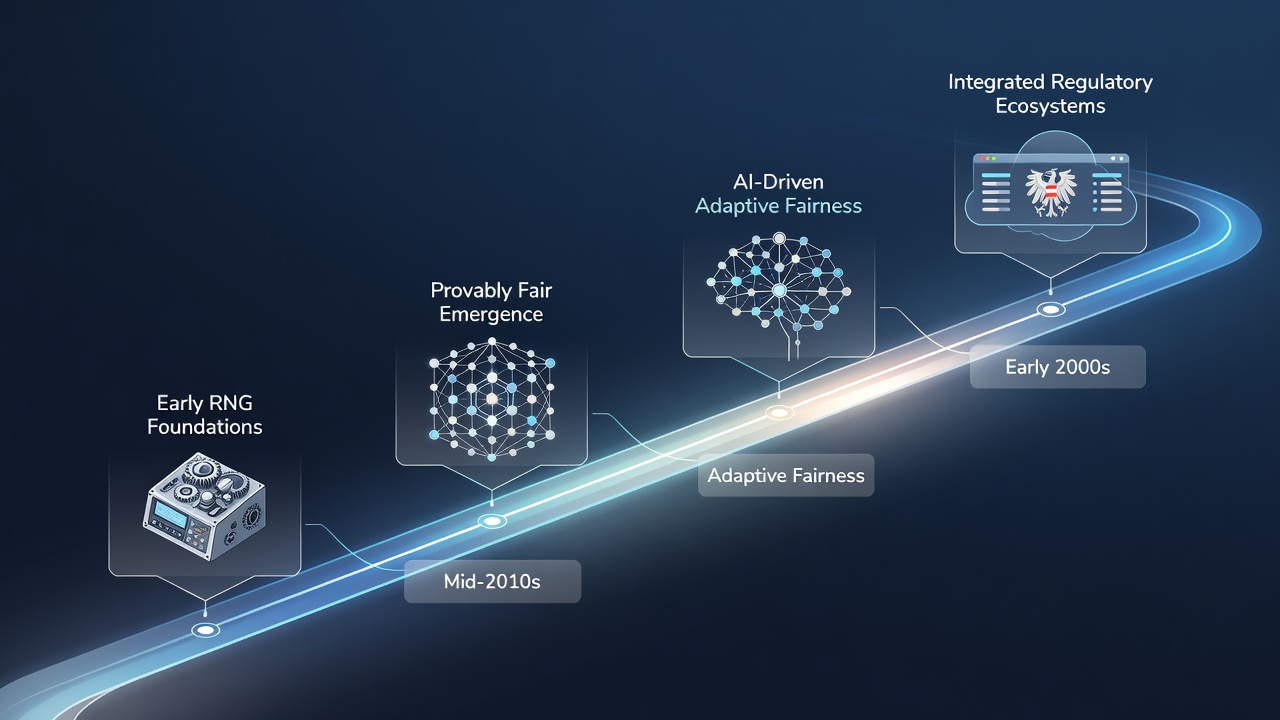
Mapping the Evolution of Fairness Algorithms in Austria's Regulated Digital Gaming Systems
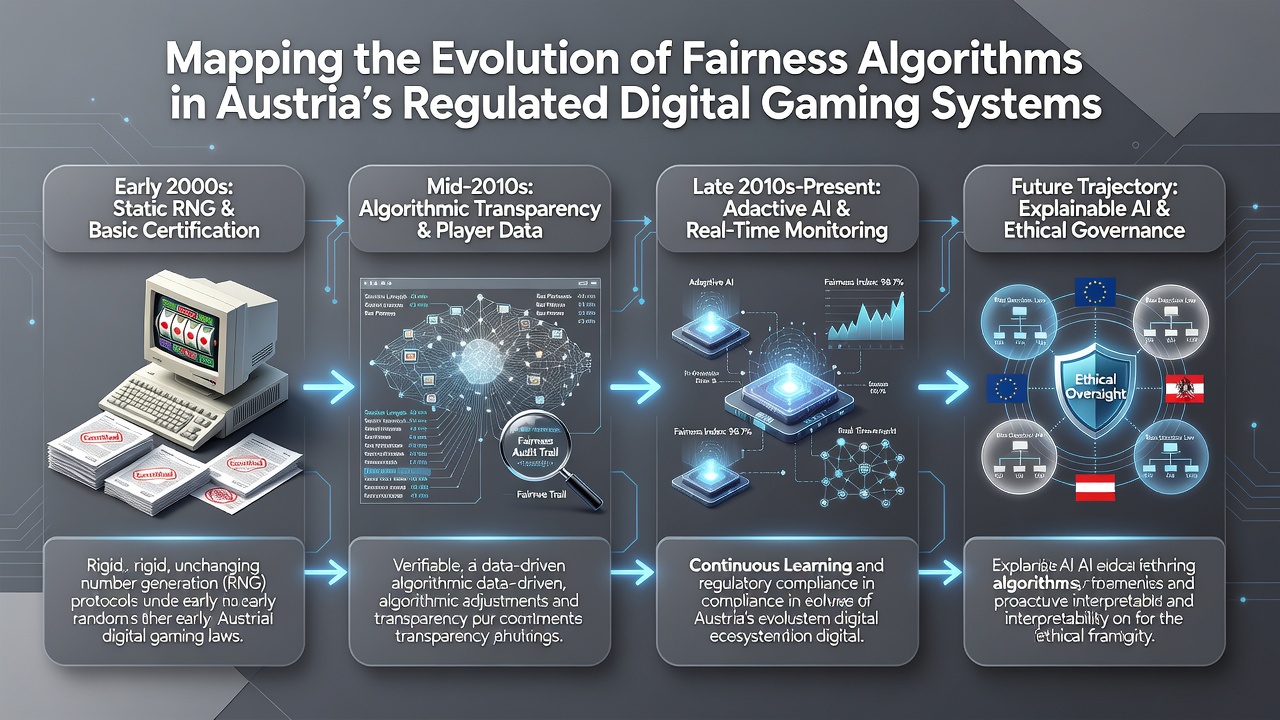
Regulated digital gaming in Austria operates under the Glücksspielgesetz framework, where fairness algorithms ensure random outcomes in slot machines, table games, and sports betting platforms, and these systems have undergone measurable changes since the early 2000s. Austrian authorities require certified random number generators that pass statistical tests before any operator receives licensing approval, and this baseline has expanded over time to incorporate real-time monitoring and cryptographic verification methods.
Initial Implementation of Random Number Generators
Early fairness protocols in Austria relied on pseudorandom number generators tested against standard suites such as Diehard and NIST SP 800-22, while operators submitted source code for review by accredited laboratories. Data from the Austrian Federal Ministry of Finance indicates that initial certifications focused on uniform distribution across millions of simulated outcomes, and regulators documented compliance through periodic audits rather than continuous oversight. Those early models operated on standalone servers with limited external connectivity, which reduced exposure to external tampering attempts yet restricted scalability as player volumes increased.
Transition to Cryptographic and Blockchain-Based Verification
By the mid-2010s, fairness algorithms began integrating hash-chain techniques that allow players to verify individual game rounds independently, and this shift aligned with broader European standards for transparency. Researchers at institutions such as the University of Vienna published analyses showing how chained hashes prevent retroactive alteration of results, while operators adopted provably fair systems that publish seed values before each round. In parallel, several Austrian platforms incorporated elements of distributed ledger technology to record game events across multiple nodes, and figures from industry reports reveal adoption rates climbing steadily through 2022.
Integration of Machine Learning for Anomaly Detection
Modern fairness frameworks in Austria combine traditional statistical testing with machine learning models that flag deviations in real time, and these systems process transaction streams to identify patterns inconsistent with expected randomness. According to documentation from the European Commission's gambling policy reviews, such hybrid approaches reduce the interval between anomaly detection and regulatory response from weeks to hours. One documented case involved an operator whose internal logs triggered an automated review after the model identified clustering in card distribution sequences, leading to a temporary suspension pending full re-certification. Data shows these tools have been deployed across multiple licensed platforms since 2023, with update cycles occurring quarterly to retrain models on fresh datasets.
Regulatory Milestones and Upcoming Standards
Austria's licensing bodies introduced mandatory third-party penetration testing for fairness modules in 2019, and subsequent guidelines expanded scope to include API-level monitoring for mobile applications. In August 2026, revised technical standards are scheduled to require quantum-resistant cryptographic primitives for seed generation, reflecting preparatory work already underway at several certified testing facilities. Observers note that these updates build directly on existing infrastructure rather than requiring complete replacement of current systems, and operators have received phased implementation timelines to minimize service disruption. Figures from regulatory filings indicate that compliance costs have remained stable as a percentage of revenue, even as verification complexity has grown.
Cross-Border Influences and Technical Harmonization
Austrian systems have drawn technical input from Canadian provincial frameworks and Australian state-level testing protocols, particularly in areas such as continuous RNG health monitoring, and this exchange occurs through participation in international working groups rather than direct policy adoption. A 2024 joint study by research teams in the Netherlands and Austria examined entropy sources across multiple jurisdictions, revealing that hardware-based true random number generators now supplement software solutions in roughly 40 percent of newly licensed Austrian platforms. Those findings have informed updates to certification checklists used by local laboratories, and the resulting standards emphasize source diversity to mitigate single-point failure risks.
Conclusion
The progression of fairness algorithms in Austria's regulated digital gaming environment reflects incremental integration of cryptographic methods, machine learning oversight, and scheduled regulatory enhancements through August 2026. Licensed operators maintain compliance through documented testing cycles and real-time monitoring layers, while data from government and academic sources continues to shape technical requirements. These developments support consistent outcome verification across platforms without altering the core licensing structure established under Austrian law.