Navigating Austria's Interlinked Rules for RNG Certification in Hybrid Sports and Table Game Platforms
Leon Reed · Oct 11, 2026
Navigating Austria's Interlinked Rules for RNG Certification in Hybrid Sports and Table Game Platforms
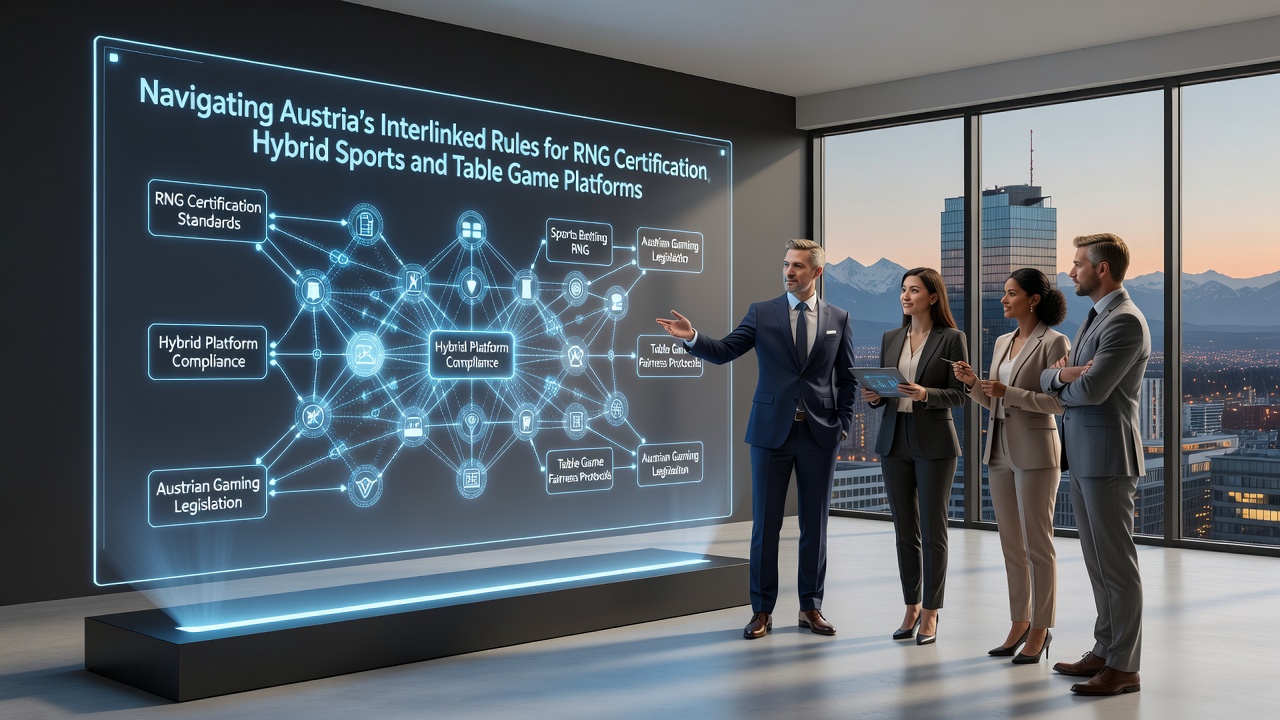
Regulatory frameworks in Austria require RNG certification for all digital platforms that offer both sports wagering and table games, creating a system where standards for randomness intersect across game categories on shared infrastructure. Operators must address these overlapping requirements when platforms integrate live odds with automated table game outcomes, since certification bodies examine how RNG outputs maintain fairness regardless of whether the application involves betting markets or card draws. Data from the Austrian Federal Ministry of Finance shows that hybrid platforms face additional scrutiny during licensing reviews, because a single RNG module often powers multiple verticals and any deviation in one area triggers re-evaluation in others.
Core Elements of RNG Certification Under Austrian Law
Austria's Glücksspielgesetz establishes baseline requirements for random number generation, mandating that certified systems pass statistical tests for uniformity, independence, and unpredictability before deployment on licensed platforms. Certification bodies evaluate both hardware and software RNG implementations, with particular attention to hybrid environments where the same generator supplies results for roulette simulations and sports outcome models. Those who have studied the approval timelines note that initial certification typically spans several months, after which periodic audits verify ongoing compliance as platform updates occur.
Interlinked rules emerge when a platform update for sports betting features affects table game modules that share the RNG core. In such cases, regulators require operators to document how changes in one segment preserve certification validity in the other, preventing scenarios where a minor odds adjustment inadvertently alters random sequence properties used elsewhere.
Challenges Specific to Hybrid Platforms
Hybrid platforms combine real-time sports data feeds with RNG-driven table games, which means certification processes must account for data synchronization points that could influence perceived randomness. Observers note that Austrian authorities examine interface layers between these systems to ensure no cross-contamination occurs, such as sports event timestamps feeding into game seed generation. Research indicates that platforms failing to isolate these elements encounter extended review periods, especially when live betting interfaces update simultaneously with automated game rounds.
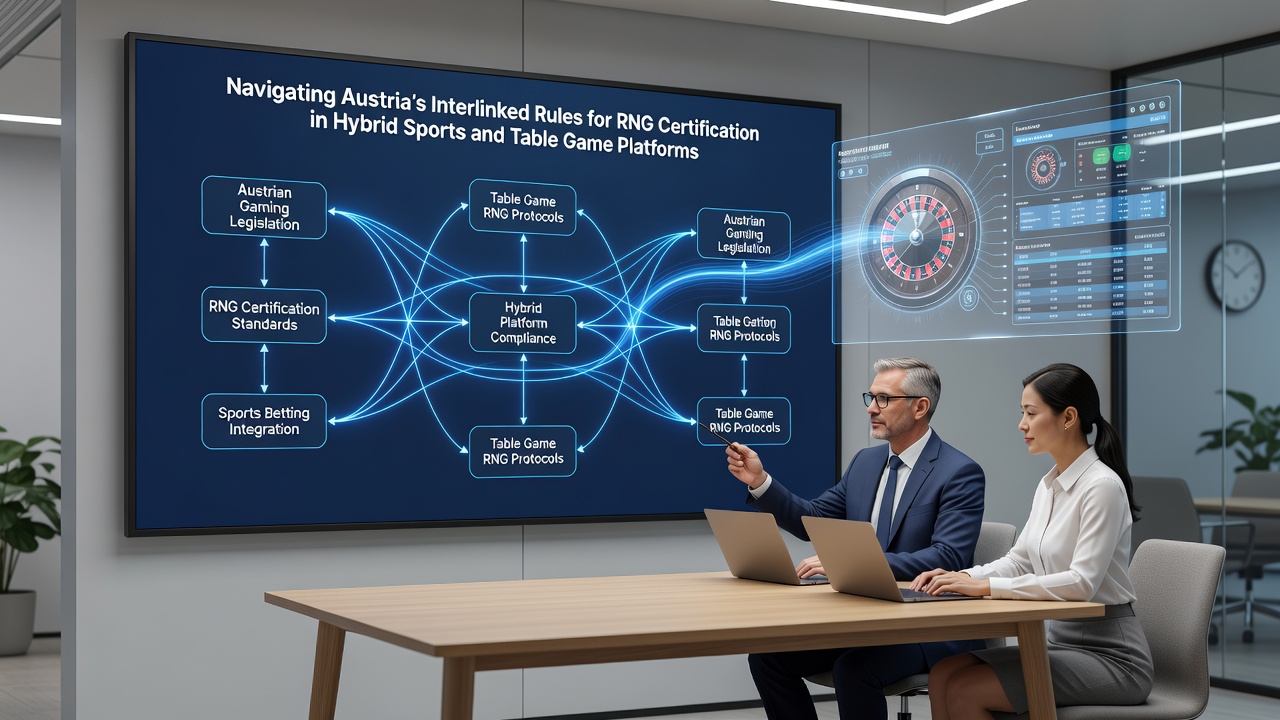
One documented case involved a platform operator adjusting its sports risk management algorithms, only to discover that the modification required fresh RNG validation for its blackjack module because both relied on overlapping entropy sources. Regulators responded by issuing guidance that emphasizes modular certification, allowing operators to isolate updates and limit re-testing scope while still satisfying interlinked compliance obligations.
Developments Expected in October 2026
Regulatory updates scheduled for October 2026 introduce refined testing protocols for RNG systems operating across hybrid platforms, focusing on enhanced entropy collection methods and cross-vertical audit trails. These changes align Austrian standards more closely with broader European technical specifications, requiring operators to implement logging mechanisms that track RNG usage separately for sports and table game functions. Figures from industry reports reveal that platforms preparing for these updates have already begun restructuring their certification documentation to demonstrate independent compliance paths within shared environments.
Those responsible for platform architecture find that early adoption of the forthcoming standards reduces approval delays, since authorities can reference pre-validated modules during the transition period. The rules also clarify how third-party testing laboratories must report findings when evaluating systems that serve multiple game types simultaneously.
Practical Steps for Operators
Operators typically begin by mapping all RNG-dependent functions on their hybrid platforms, identifying shared components that fall under multiple certification categories. They then engage accredited laboratories to perform baseline assessments that satisfy both sports and table game requirements in a single evaluation cycle. Data from similar regulatory environments, such as those tracked by the International Association of Gaming Regulators, shows that consolidated testing approaches shorten overall timelines when rules intersect as they do in Austria.
Another effective measure involves maintaining separate certification dossiers for each vertical, even when underlying RNG technology overlaps. This structure allows quick updates in one area without reopening the entire platform file, a practice that aligns with the interlinked yet segmented nature of Austrian oversight.
Conclusion
Austria's approach to RNG certification in hybrid sports and table game platforms centers on maintaining fairness through interconnected yet distinct compliance pathways. As the October 2026 updates approach, operators continue refining their systems to meet evolving documentation and testing expectations while preserving operational flexibility across game types. External resources such as the OECD regulatory policy reports provide additional context on how similar interlinked standards function in other jurisdictions, offering comparative insights without replacing direct Austrian regulatory guidance.